
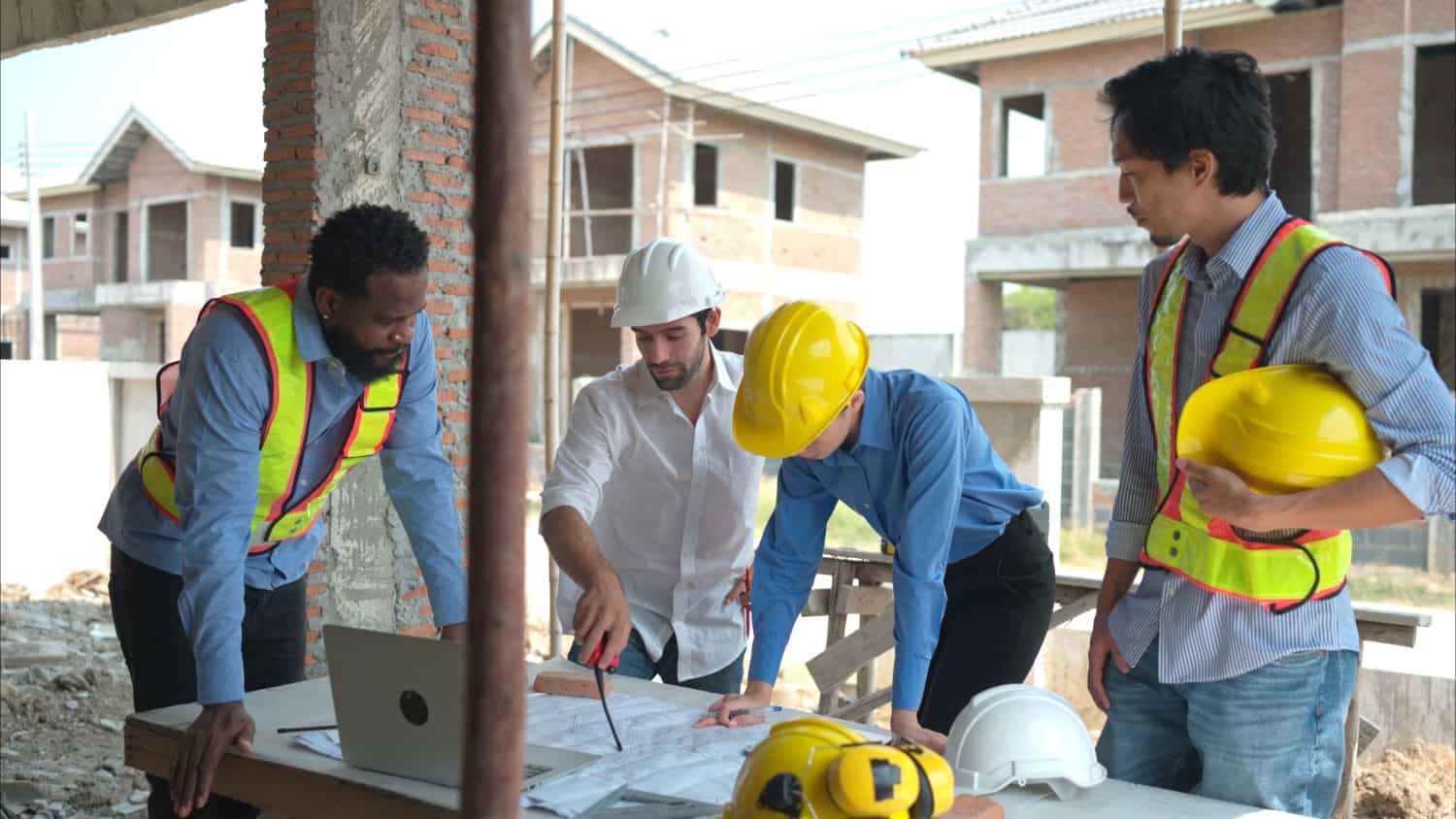
Innovative Smart Building Technologies Shaping Property Development in Hua Hin
As Hua Hin continues to attract attention as a prime destination for residential and commercial projects, the role of an architecture and construction company Hua Hin cannot be overstated. Advancements in smart building technologies are redefining the way properties are designed, constructed, and managed, enabling developers to meet rising demands for sustainability, efficiency, and user convenience. This article explores the transformative innovations in smart building systems, focusing on their practical applications within Hua Hin’s property development landscape.
Integrating IoT Systems for Intelligent Building Management
The integration of the Internet of Things—abbreviated as IoT—is a cornerstone of modern smart buildings. IoT devices enable real-time monitoring and control of various building components such as lighting, HVAC (heating, ventilation, and air conditioning), security, and energy consumption. For architecture and construction company Hua Hin, leveraging IoT means delivering properties equipped with sensor networks that optimize operational efficiency and enhance occupant comfort.
Key benefits of IoT implementation include predictive maintenance to reduce system downtime, adaptive lighting solutions that respond to natural daylight, and dynamic climate control based on occupancy patterns. These features contribute to lowering energy costs while fulfilling Thailand’s increasing environmental standards.
Essential IoT Components in Smart Buildings
- Smart Sensors: Devices detect temperature, humidity, motion, and air quality to provide actionable data.
- Automated Controls: Systems automatically adjust environmental settings based on sensor inputs.
- Centralized Monitoring Platforms: Dashboards allow facility managers to oversee building performance remotely.
Energy Efficiency Through Advanced Automation and Sustainable Materials
Energy consumption is a critical consideration for property development in Hua Hin’s tropical climate. One of the significant advancements is the integration of automation protocols designed to minimize waste. For example, automated window shading can reduce heat gain during peak sunlight hours, while LED lighting controlled by occupancy detectors limits unnecessary energy use.
Alongside automation, material selection plays a crucial role. Architecture and construction company Hua Hin increasingly utilize eco-friendly construction materials such as high-performance concrete, recycled steel, and thermally insulated glass. These materials improve thermal regulation and reduce the building’s overall carbon footprint.
Benefits of Sustainable Smart Building Materials
- Enhanced Durability: Longer-lasting materials contribute to lifetime building performance.
- Improved Insulation: Minimizes energy loss, resulting in lower cooling demands.
- Reduced Environmental Impact: Use of recycled and non-toxic materials supports sustainable development goals.
Advanced Security and Access Control Systems
Safety remains a top priority in contemporary property development. Smart building technologies offer sophisticated security solutions beyond traditional locks and guards. Biometric access controls, facial recognition cameras, and AI-powered surveillance systems provide comprehensive protection. This integration allows architecture and construction company Hua Hin to design properties that assure residents and business tenants of a secure environment while maintaining seamless accessibility.
Furthermore, smart fire detection and evacuation systems use intelligent algorithms to identify hazards earlier and optimize emergency responses, adding another layer of safety to modern constructions.
Smart Building Technologies Driving Hua Hin’s Property Development Growth
The property market in Hua Hin benefits markedly from these technological advancements. Architecture and construction company Hua Hin that adopt smart building solutions can offer clients superior value through enhanced building performance, operational cost savings, and elevated living experiences. The resulting properties are attractive to a growing demographic interested in quality, comfort, and sustainability.
Future trends indicate continuous integration of artificial intelligence for autonomous building management, blockchain for secure transaction and data management, and even greater emphasis on renewable energy sources such as solar integration. These innovations align with global and local mandates pushing toward greener and smarter urbanization.
Key Advantages for Developers and Occupants
- Operational Efficiency: Streamlined building management reduces resource consumption and maintenance needs.
- Occupant Comfort: Personalized environments foster well-being and productivity.
- Market Competitiveness: Smart features increase property attractiveness and long-term value.
Emerging Technologies: Preparing for the Future of Hua Hin’s Urban Landscape
Looking ahead, the continuous evolution of smart building technologies promises even greater integration between digital systems and built environments. Innovations in 5G connectivity, edge computing, and data analytics will enable real-time responsiveness, supporting adaptive infrastructures capable of learning occupant behaviors and optimizing resources autonomously.
For an architecture and construction company Hua Hin, staying at the forefront of these technologies is essential to delivering properties that satisfy modern expectations and regulatory frameworks. The fusion of advanced hardware and software ensures that Hua Hin’s urban developments remain sustainable, resilient, and appealing to both domestic and international investors.
Concluding Perspectives on Smart Building Trends in Hua Hin
The rapid advancement of smart building technologies is revolutionizing property development in Hua Hin. From IoT-based systems and energy-efficient automation to cutting-edge security solutions and sustainable materials, these innovations provide a comprehensive framework for constructing intelligent buildings. Architecture and construction company Hua Hin that embrace these technologies contribute to building smarter communities that meet the demands of future urban living.
Incorporating these smart solutions not only enhances asset value but also supports global sustainability efforts, improving quality of life for occupants. As smart building technologies continue to mature, their influence on Hua Hin’s property market will deepen, enabling developments that respond dynamically to the needs of diverse users and the environment.
For stakeholders involved in Hua Hin’s real estate sector, understanding and embracing these technological advancements will be pivotal. The connection between innovative design, efficient construction, and intelligent management systems forms the foundation of future-ready properties that will define the region’s urban fabric.
In this context, architecture and construction company Hua Hin play a fundamental role in driving the adoption of smart building technologies, fostering a resilient and progressive property development environment.
Explore how modern architecture and construction approaches are shaping Hua Hin’s skyline by engaging with the comprehensive expertise of an architecture and construction company Hua Hin that champions smart building innovation and sustainable development.